Canadian Masonic regalia follows the rules of each provincial Grand Lodge, so what a Brother wears in Ontario can differ from what he wears in Alberta or Nova Scotia.
Walk into a Canadian lodge on installation night and you'll see a great deal of regalia: white aprons, blue collars, gleaming jewels, perhaps the gold of a visiting Grand Lodge officer. For a new Mason, or for a family member trying to buy a gift, it can be hard to know what's what.
This guide explains each main item, who wears it and how it typically changes as a Brother progresses. The details depend on the jurisdiction, so treat this as a general map and confirm specifics with your lodge.
The apron
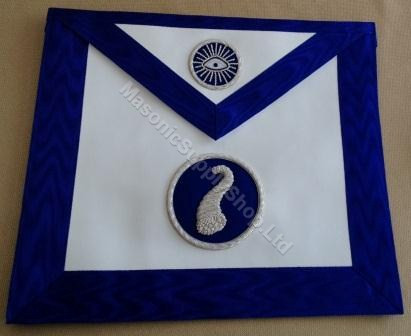
Every Mason wears an apron in lodge. It's the first item a candidate receives and the most important piece of Masonic regalia. In many Canadian jurisdictions, aprons change with each degree and again for Past Masters. Grand Lodge officers wear more elaborate aprons laid down by the Grand Lodge.
Collars
Lodge officers wear a collar, a ribbon band around the neck from which the jewel of office hangs. Lodges usually own a set of officers' collars and jewels, which pass from officer to officer at each installation. Grand Lodge and District officers wear collars of their own rank.
Jewels
Masonic jewels come in two main kinds:
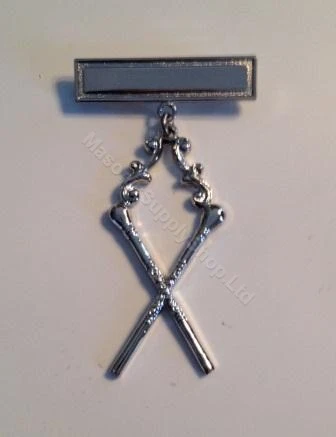
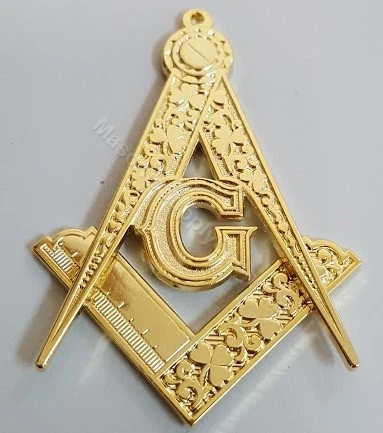
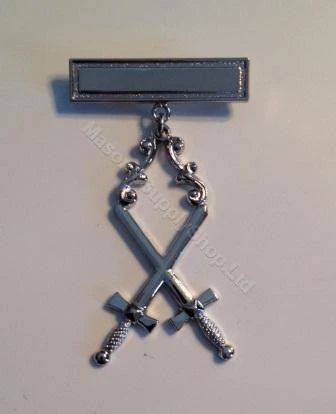
- Officers' jewels, which hang from the collar and show the office: a square for the Master, a level for the Senior Warden, a plumb for the Junior Warden, crossed keys for the Treasurer, crossed pens for the Secretary, and so on.
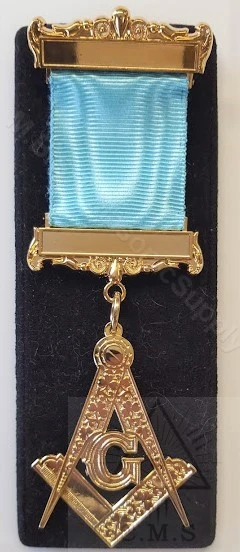
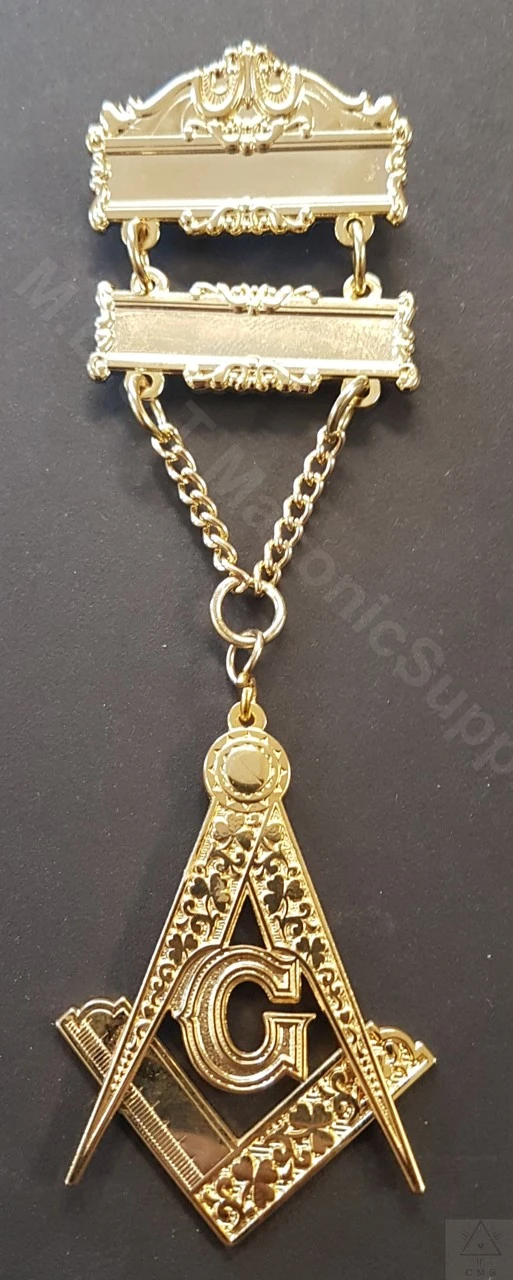
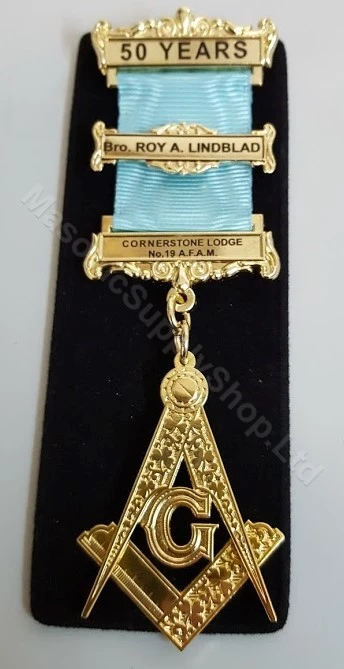
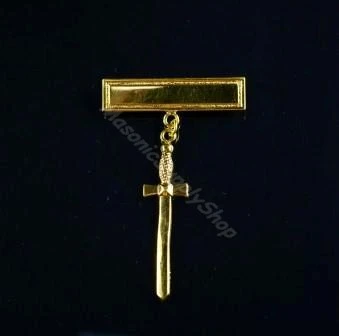
- Breast jewels, which are personal and worn on the left breast. These include Past Master jewels, lodge anniversary jewels, charity jewels and the Lewis jewel for the son of a Mason.
Your Grand Lodge may regulate which breast jewels may be worn in lodge.
Gauntlets
Some officers, particularly Masters, Past Masters and Grand Lodge officers in certain jurisdictions, wear gauntlets: decorated cuffs worn over the wrists. Whether they're used depends on the jurisdiction.
Gloves
White gloves are worn in many Canadian lodges, by officers or by all Brethren. Keep a spare pair in your regalia case.
Sashes and concordant body regalia
The Royal Arch, Scottish Rite, Knights Templar and other concordant bodies each have their own regalia, such as sashes, collars, aprons and mantles. If you belong to several bodies, you'll accumulate several sets.
How regalia changes as you progress
- New Brother: Entered Apprentice, then Fellowcraft, then Master Mason apron.
- Lodge officer: the same apron plus the lodge's collar and jewel for your office.
- Worshipful Master and Past Master: a Past Master's apron and jewel, and in some jurisdictions a collar and gauntlets.
- District or Grand Lodge rank: regalia laid down by your Grand Lodge.
Regalia for concordant bodies in Canada
Canadian Masonic regalia isn't only for the Craft lodge. Royal Arch Chapters, Scottish Rite bodies, Knights Templar Preceptories, Shrine Temples and other concordant bodies each have regalia of their own, and a Mason active in several bodies builds up a collection over the years. Labelled cases make it easy to grab the right set on the way to a meeting.
Buying Canadian Masonic regalia
The Canadian Masonic Supply Shop in High River, Alberta, makes regalia for all Canadian Grand Lodge jurisdictions and concordant bodies. You can browse their Canadian lodge and Grand Lodge regalia, and their range of collars and sashes.
FAQ
Do I have to buy my own regalia?
Usually only your personal apron and any breast jewels. Officers' collars and jewels normally belong to the lodge.
Can regalia be repaired?
Often. Collars can be re-ribboned, and jewels can be cleaned and refitted.
What should I buy a new Master Mason?
A good apron case, a lapel pin or a breast jewel he's entitled to wear are all safe choices.